
DACH Entry Risk & Readiness Assessment
A free self-assessment to identify whether DACH expansion looks commercially realistic…
and where the first readiness and market-entry risks may sit.
The assessment is
A structured first step for international B2B companies that want to evaluate whether DACH is commercially realistic … before committing larger amounts of time, effort, or budget.
This is the right place to start if you are still asking questions such as:
- Is DACH truly a serious opportunity for us?
- Are we ready enough to enter responsibly?
- Where might the first risks or gaps sit?
- Does deeper diagnostic work actually make sense yet?
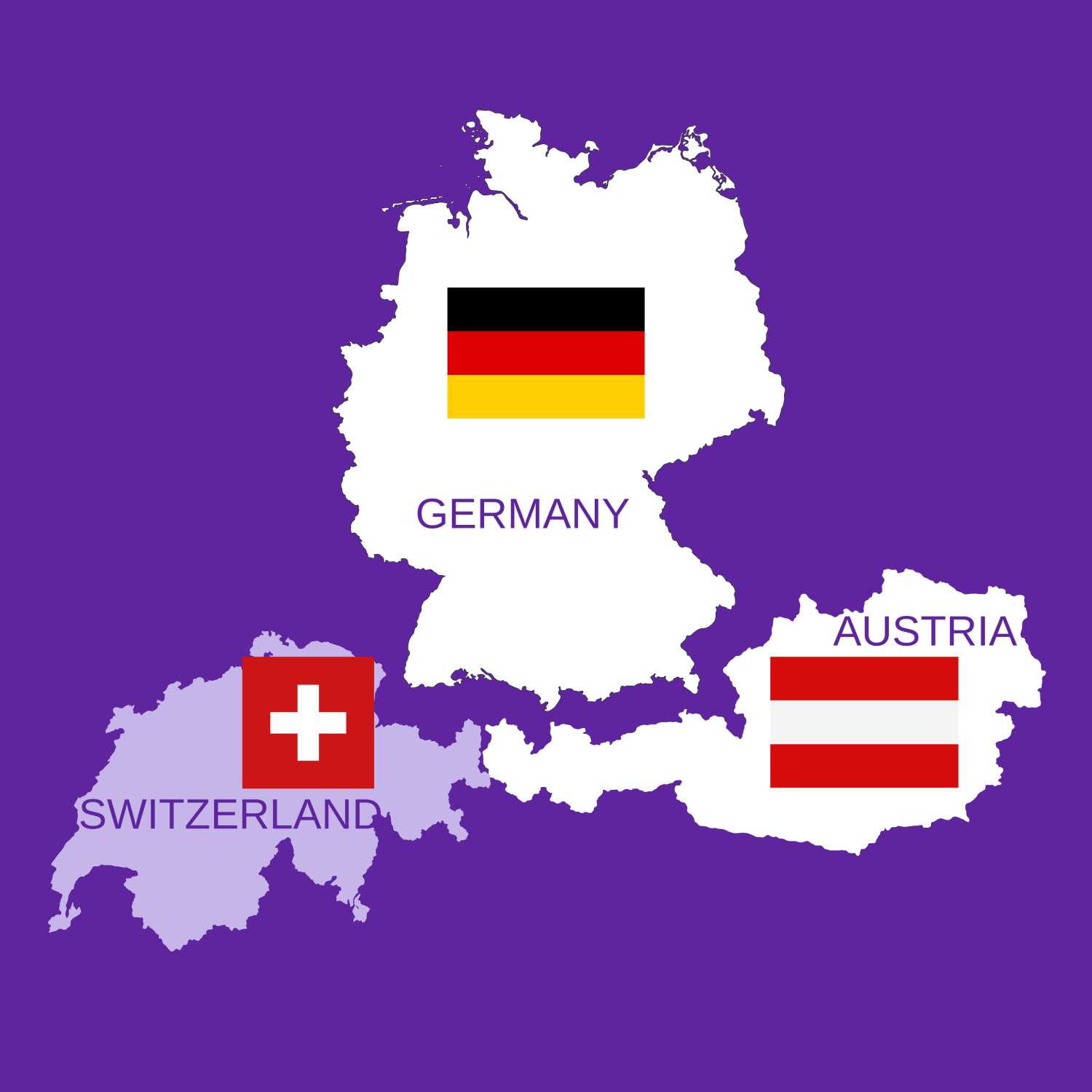
What this assessment gives you
An initial readiness signal
You see what is already in place — and what is still missing before deeper commitment.
Visibility into likely early risks
You understand where DACH‑specific trust and decision risks are likely to appear.
A clearer sense
of fit, timing, and next-step logic
Best for:
- companies still evaluating DACH potential
- teams that want an initial readiness signal
- leaders who want to see where first risks may sit
Not ideal if you:
- are already deep into DACH operations
- primarily want tactical execution support
- expect guaranteed growth predictions
How the assessment works
Step 1 – Preparation
You share basic context about your business, offer and DACH ambitions.
Step 2 – Diagnostic conversation
In a structured session, Bridge2Sales explores likely friction points across trust, resonance, proof and buyer expectations.
Step 3 – Risk mapping
Observed risks are clustered and prioritized by commercial relevance.
Step 4 – Written summary
You receive a concise summary outlining key risks, implications and recommended next steps.